
Projects
1. Acorn predation and dispersal by rodents in the Thousand Island Lake
In this project, I examine acorn predation and dispersal by rodents on islands. Specifically, I investigate how habitat fragmentation, rodent population dynamics, seed availability, and the functional traits of rodents and seeds interact to shape seed dispersal, germination, and seedling survival. By integrating these factors, this project aims to advance our understanding of how habitat fragmentation affects acorn regeneration on islands.
Selected papers
Size-related seed use by rodents on early recruitment of Quercus serrata in a subtropical island forest
2. The ecological consequences of animal personality in the Thousand Island Lake
In this project, we integrated behavioral tests, capture-mark-recapture methods, automated monitoring devices, and DNA technologies to investigate how animal personality traits in small mammals influence population dynamics and species interactions. I examine whether individual behavioral differences (boldness, exploration, sociability) affect survival, reproduction, and key ecological processes such as seed dispersal, parasite transmission, herbivory, and gut microbiota. This research aims to establish mechanistic links between individual behavior and ecosystem function, advancing our understanding of how behavioral diversity contributes to ecological stability and informing biodiversity conservation.
Selected papers
Defaunation erodes the diversity of rodent personality traits in fragmented forests
3. Community dynamics of mammals in the Thousand Island Lake
In this project, we employed camera traps to survey large and medium mammal communities on the study islands. After identifying species from the captured images, we obtained comprehensive community data to assess the underlying mechanisms by which habitat fragmentation impacts the biodiversity of large and medium mammals in Thousand Island Lake. To survey small mammal communities (primarily rodents), we utilized the capture-mark-recapture method. Based on long-term population monitoring of rodents, we were able to further explore the factors influencing rodent population cycles and assess how habitat fragmentation affects rodent fitness in the lake region. This rodent survey also supports the other Thousand Island Lake projects.
4. Multiple types of ecological networks in cities
In this project, we investigate how urbanization affects complex species interactions across multiple levels of biological organization (e.g., from individuals to communities). Our research primarily examines three key interaction networks: plant-frugivorous bird interactions, pollination, and insect-parasitoid wasp interactions. This project aims to provide deeper insights into the cascading effects of urbanization on complex species interactions and the ecosystem services they support.
Selected papers
Urban plant communities shape plant–bird frugivory networks through reduced connectance and increased modularity
Place to conduct field work
1. Thousand Island Lake, China.
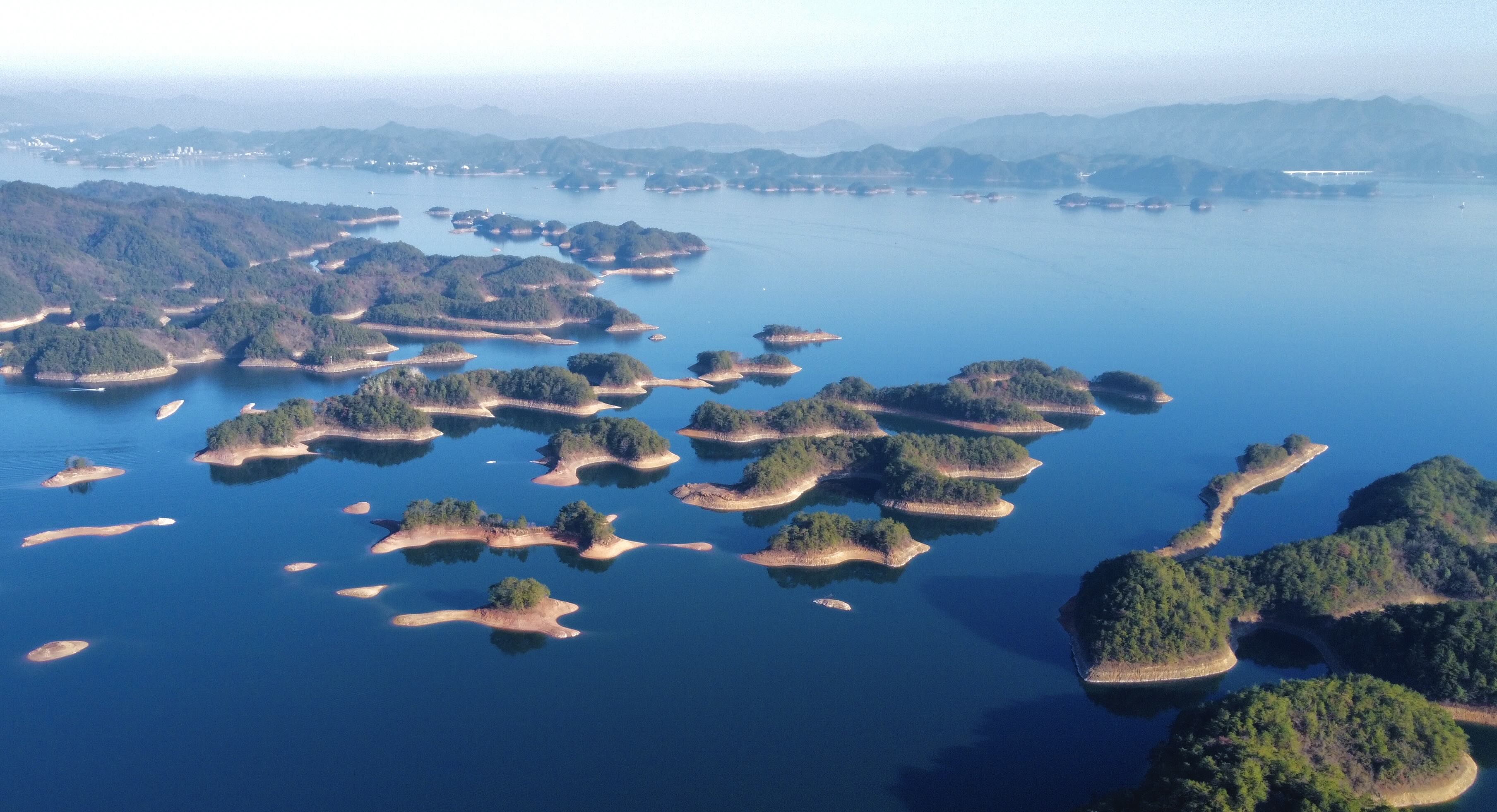
© Dr. Di Zeng
2. The urban green spaces we studied in Hangzhou, China
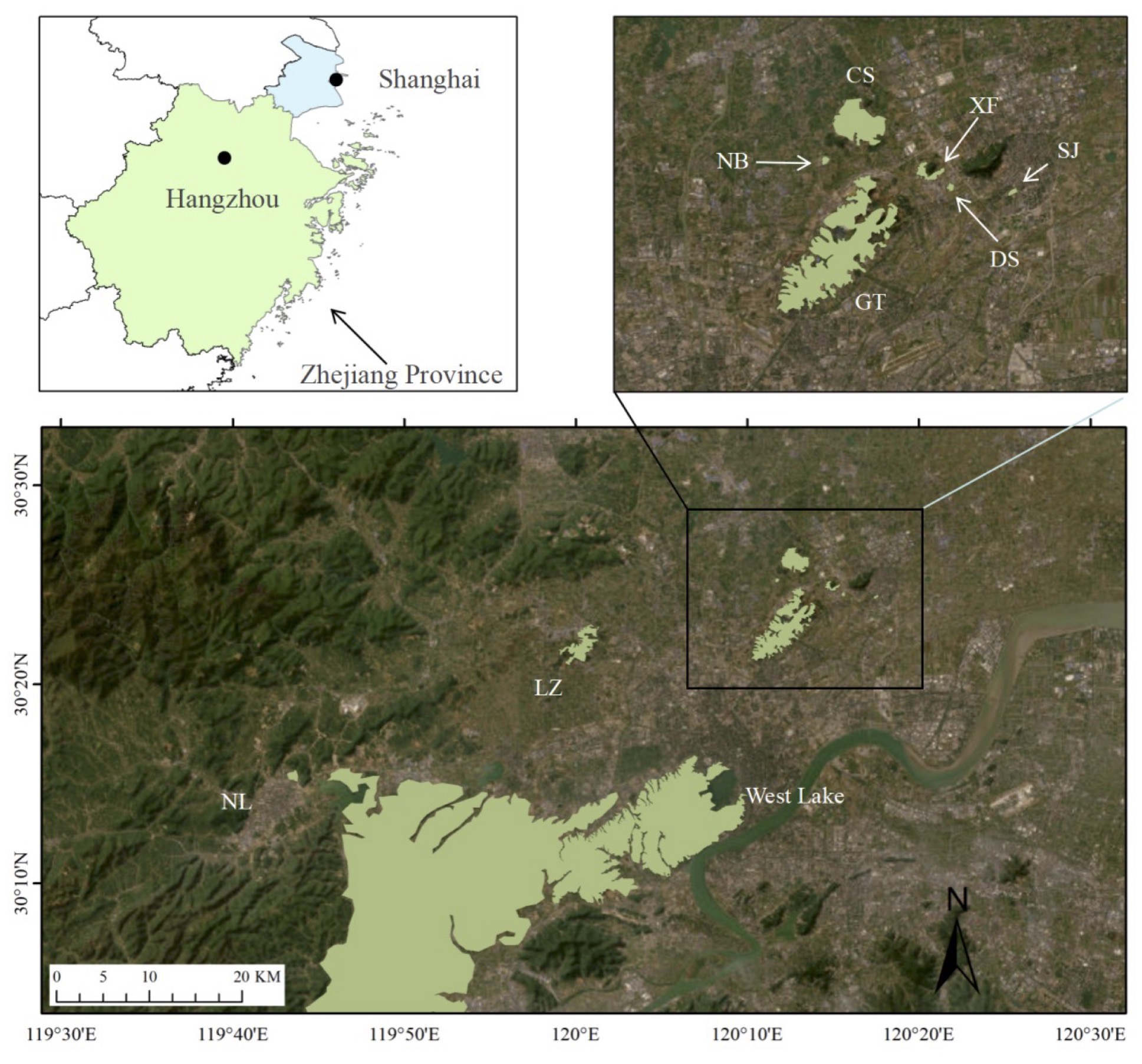
© Dr. Di Zeng